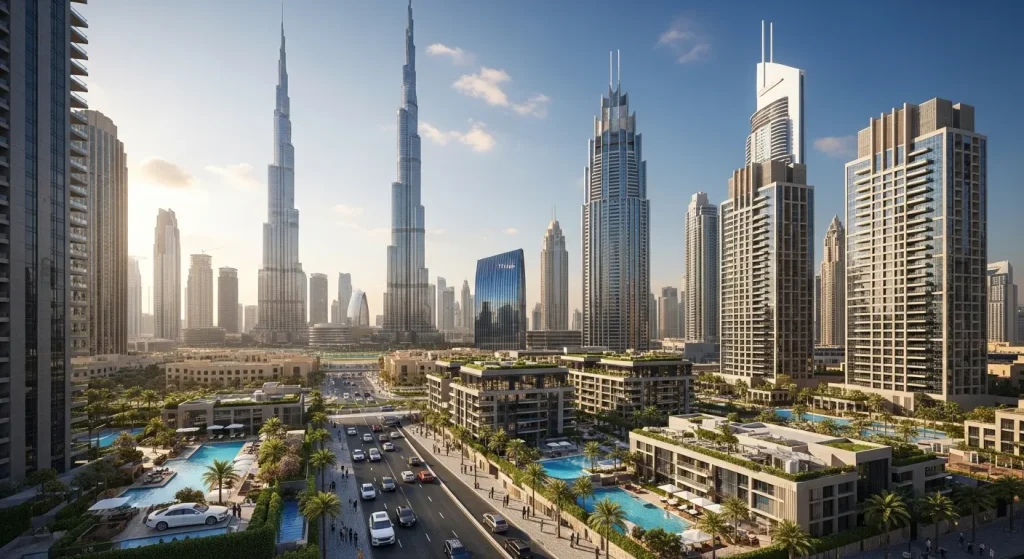
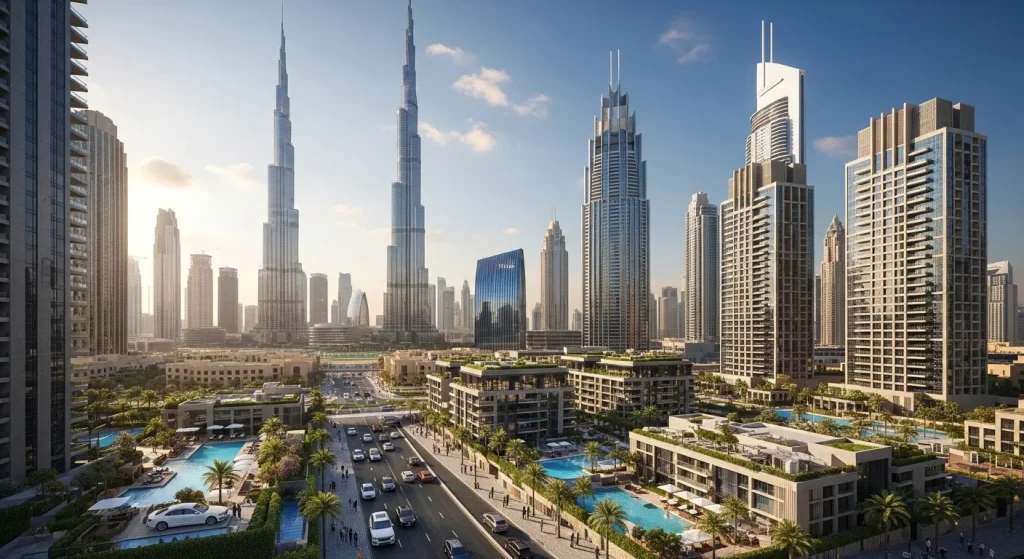
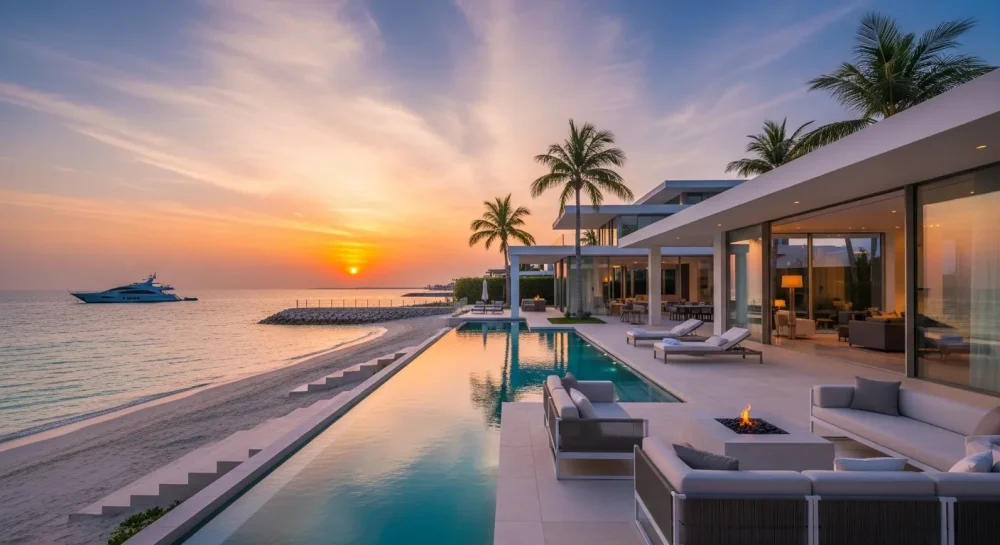
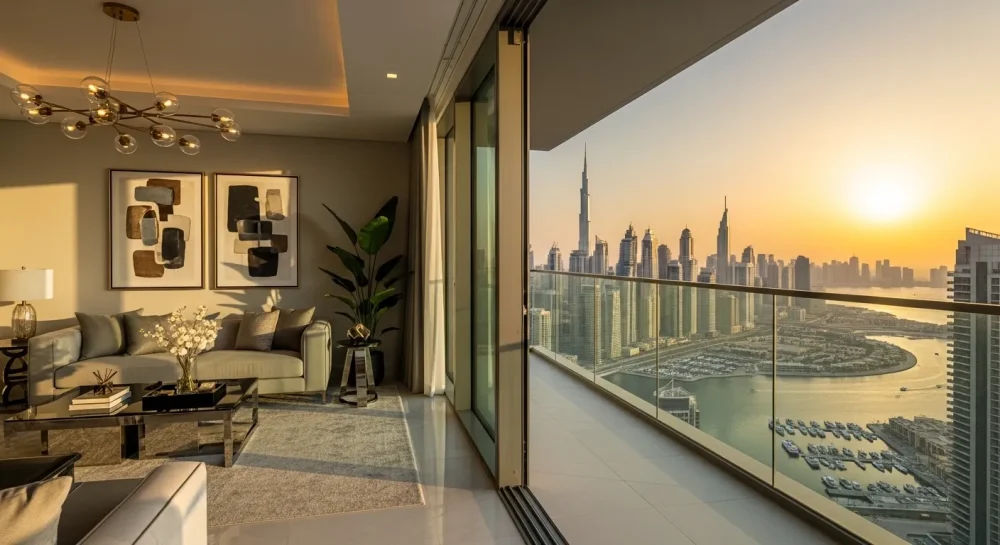
Since the early 2020s, the Dubai real estate market has been at the center of global investor attention, showcasing a dizzying ascent. While many experts categorized this period as the “Golden Age,” as we move through 2026, we see the market transitioning into a new phase. The question, “Buying a Home in Dubai in 2026: Is the Golden Age Over, or is a New One Beginning?” is now a primary agenda item for both individual investors and institutional funds. January 2026 data proves that instead of reaching a saturation point, the market has evolved into a more selective and high-value structure.
Is the Golden Age Over, or is a New One Beginning?
As of 2026, Dubai has solidified its title as one of the world’s most prestigious real estate destinations. Speculative movements of the past have been replaced by a data-driven and sustainable growth model. For investors, the priority is no longer just “buying property,” but “buying property in the right segment.” Analyses by Ler Properties clearly show that the market has shifted from a “volume-oriented” structure to a “value-oriented” one.
Looking at the general market outlook, the sales volume of 17,457 units in January 2026 is noteworthy. While this figure indicates a 6.1% decrease compared to the previous month, it represents a 22.7% increase on an annual basis. This suggests that the slowdown during the New Year period was temporary and the market’s core remains vibrant. Investor concerns about the “end of the Golden Age” are being replaced by excitement for a “New Era.”
The most striking data of 2026 is the massive leap in sales value. The total sales value reached 72.5 Billion AED, resulting in a 14.7% increase in total value despite the drop in sales volume. This massive 62.3% annual increase in value certifies that Dubai is no longer just a “cheap harbor” but a high-yield, luxury investment hub. The price per square foot rising to 1,800 AED is the strongest evidence that the city is now competing with global financial centers.
Market Details and Trends
When diving into the details of the real estate market, we observe a widening gap between property types:
- Apartments: They remain the largest slice of the market. The 12,793 units sold in January show that the market maintains its liquidity. However, a 15.2% monthly loss in volume suggests investors are pivoting toward strategic new deliveries rather than existing stock.
- Villas: The true star of 2026. A 44.6% explosion in demand on a monthly basis shows that the desire for detached living—which started post-pandemic—has turned into a permanent lifestyle. Although villa sales volumes are lower than apartments, they have caught up in total value at 26.4 Billion AED.
- Commercial & Land: An annual increase of 126.5% reflects Dubai’s economic vision. The city’s growth as a trade and tech hub is fueling demand for office spaces and new construction plots.
Key Features of the 2026 Market
The defining characteristic of the 2026 market is the clear distinction between the Primary (Off-plan) and Secondary (Resale) markets.
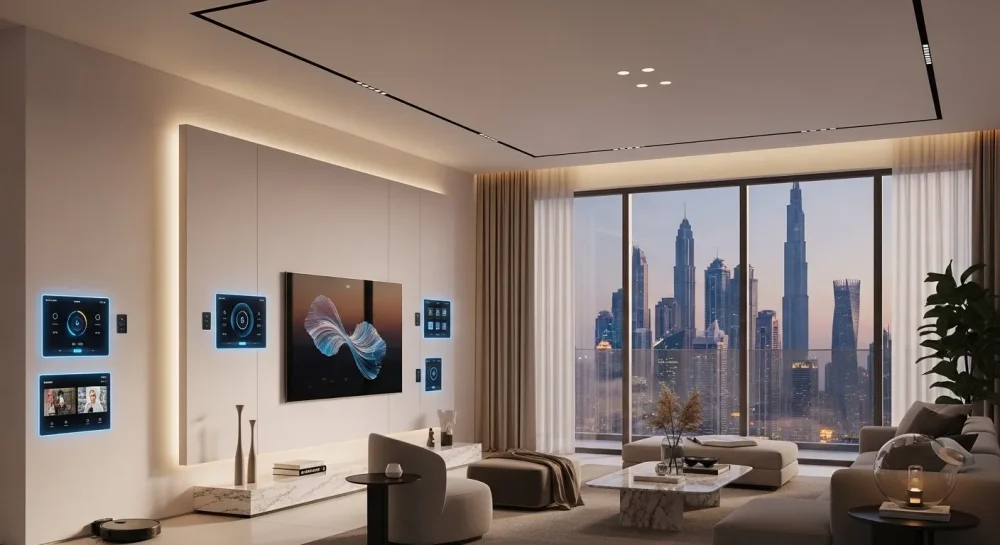
- Off-plan Luxury: Villa prices in new projects have increased by 54.6% annually, reaching an average of 4.1 Million AED. These projects offer tech-integrated modern living complexes rather than just housing.
- Secondary Stability: Resale apartment prices have remained stable at an average of 1.2 Million AED. This stability proves the market is not a bubble but is progressing on rational ground.
- Rental Yields (ROI): Monthly increases of 2.9% for apartments and 5.7% for villas are appetizing for those seeking passive income. The average villa rent of 185,000 AED indicates that supply cannot keep up with demand.
Investment Areas and Usage in 2026
1. Residential and Family Use
Dubai’s safety and social amenities make it a top choice for families.
- Spacious Living: Families in 2026 prioritize social facilities, green spaces, and proximity to international schools.
- Integrated Projects: Modern projects that place education and health centers at their core help properties maintain and increase their value.
2. Short and Long-Term Investment Strategies
- High ROI: Investors can achieve net yields between 8% and 10%.
- Capital Appreciation: With property values up 62.3% annually, buying in Dubai is one of the most effective ways to protect capital against inflation.
3. Commercial Real Estate and Office Spaces
- Global Business Hub: International companies choosing Dubai as a regional HQ have pushed demand for modern office buildings to a peak.
- Logistics & Warehousing: The rise of e-commerce has spiked demand for storage and logistics areas in industrial zones.
4. Holiday Homes and Short-Term Rentals
- Tourist Magnet: Locations like Palm Jumeirah, Dubai Marina, and Downtown remain the most preferred for short-term rentals, offering high nightly rates.
Frequently Asked Questions (FAQ)
- Why did prices rise so much in 2026? Due to Dubai’s status as a global safe haven, tax advantages, and high standards of living. The 62.3% value increase is driven largely by foreign interest in the luxury segment.
- Villa or Apartment? It depends on your goal. For liquidity and high rental yields, apartments are ideal. For maximum capital appreciation and lifestyle, villas are the stars of 2026.
- Can I get a Golden Visa? Yes, the Dubai government offers a 10-year Golden Visa for real estate investments above a certain value.
- Is it too late to invest in 2026? On the contrary, the data shows a more mature and institutional market. The shift signifies that the “Golden Age” hasn’t ended; a more qualified and profitable “New Era” has begun.